
The healthcare infrastructure in the UAE is expanding quickly, with new specialized surgical centers and premium wellness clinics opening every single month. As a result of this constant medical expansion, Nursing Jobs in Dubai are in high demand, offering excellent tax-free income and world-class clinical training.
But let’s completely destroy the fantasy of a relaxed, highly paid hospital shift right now. You will be working physically exhausting 12-hour rotating shifts that often stretch to 14 hours after patient handovers, and you will regularly deal with demanding VIP patients who sometimes treat medical professionals like personal room service.
Advertisements
If you make a single medication error or violate patient confidentiality, the Dubai Health Authority (DHA) will immediately suspend your license and launch a strict legal investigation. If you have the clinical stamina and thick skin to survive this high-pressure environment, the premium private healthcare groups here offer unmatched career stability.
Let’s break down the actual Dirhams you can earn, why your home-country nursing degree is useless without local verification, and how to avoid the cheap medical agencies that will severely overwork you.
🩺 Our Professional Verdict: Deira Polyclinics vs. Premium Hospitals?
Our Analysis: Freshers on visit visas often accept desperate offers from small, 24-hour polyclinics in older areas like Karama or Al Rigga. These places pay an incredibly low base salary (around 3,500 to 4,500 AED) and will force you to work unpaid overtime. If you want a real clinical career, target the premium Tier-1 operators like Mediclinic or Saudi German Hospital. They pay professional salaries (8,000 to 14,000+ AED), respect your legal shift limits, and provide premium health insurance for your family.
Expert Pro Tip: You cannot legally touch a patient in Dubai without a government license. If your CV does not clearly state that you have passed the DHA Prometric Exam and possess an active DHA Eligibility Letter, hospital HR teams will instantly reject your application. They do not have the time to wait 6 months for you to clear your paperwork.
Job Overview: Salary & Benefits (2026 Estimates)
| Role | Est. Monthly Salary | Focus Area |
| Home Healthcare Nurse | 4,000 – 6,500 AED | Driving to patients & IV Drips |
| Outpatient (OPD) Nurse | 5,500 – 8,000 AED | Standard clinic hours & Vitals |
| Registered Nurse (ER/ICU) | 8,000 – 15,000 AED | High trauma & Critical care |
| Charge Nurse / Ward Admin | 16,000 – 24,000+ AED | Roster management & Audits |
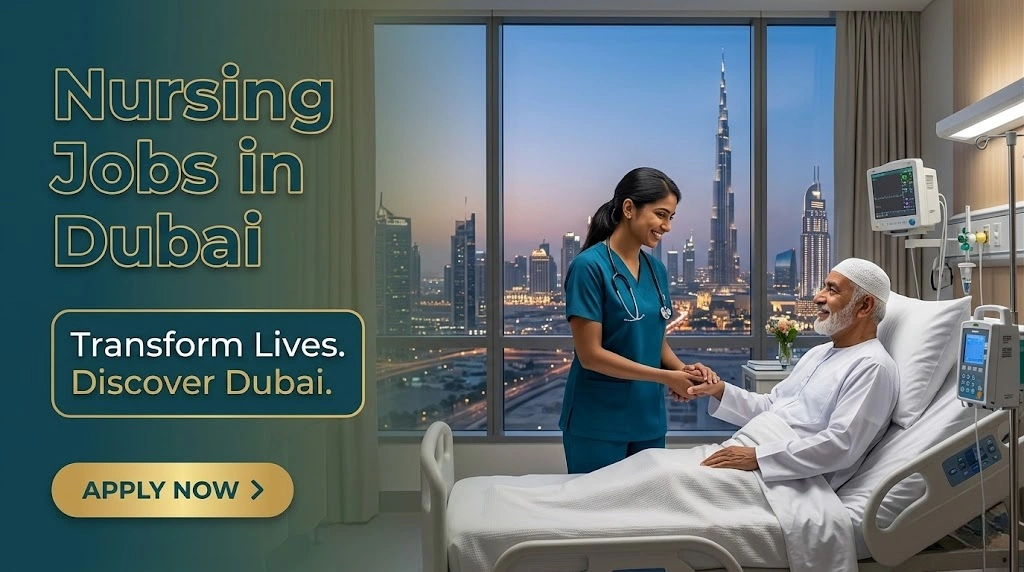
Available Medical Positions in Dubai (2026)
Being a nurse in this city means very different things depending on your assigned department. Here is what you are actually signing up for:
Homecare and Mobile IV Providers
Working for agencies that dispatch nurses directly to private villas and hotels.
- Daily Tasks: Driving across the city in brutal traffic to administer vitamin IV drips, changing wound dressings for elderly patients, and conducting at-home PCR or blood tests.
- The Reality: It is incredibly draining. You will spend half your day stuck in Hessa Street traffic, and wealthy clients will often expect you to wait around for hours if they are running late for their appointment.
Critical Care & ER Specialists
Working on the chaotic front lines of major trauma centers like Rashid Hospital or prime private facilities.
- Daily Tasks: Managing ventilators, stabilizing severe car crash victims, and administering emergency code-blue medications.
- The Pressure: The stress levels are absolute maximum. You are on your feet for 12 hours straight without a proper bathroom break, and the emotional toll of dealing with grieving expat families who have no relatives nearby is very heavy.
Cosmetic and Aesthetic Nurses
Working in high-end plastic surgery and dermatology clinics in Dubai Healthcare City (DHCC) or Jumeirah.
- Daily Tasks: Prepping patients for liposuction, assisting doctors with Botox injections, and managing laser burn recovery.
- The Environment: The physical stress is lower, but the commercial pressure is high. You are often expected to act like a salesperson, convincing patients to buy expensive post-surgery skincare creams to hit your monthly clinic targets.
The Reality of “DataFlow, Split Shifts, and Handover”
Do not sign a medical employment contract until you understand the local healthcare system.
- The DataFlow Nightmare: To get your DHA license, a third-party company called DataFlow will conduct a primary source verification. They will literally contact your university and every past employer in your home country to check for fake degrees. This process takes months and costs thousands of Dirhams, which you usually have to pay from your own pocket.
- The “Split Shift” Exhaustion: Many small neighborhood clinics operate on a split shift schedule to save money. This means you work from 8:00 AM to 1:00 PM, go back to your shared accommodation for a few hours, and then return to work from 5:00 PM to 10:00 PM. It completely destroys your entire day and social life.
- The Unpaid Handover: A standard 12-hour nursing shift is never just 12 hours. You must arrive 30 minutes early to count narcotics and stay 45 minutes late to give a detailed bed-to-bed handover to the night shift. You are almost never paid overtime for this extra daily hour.
Featured Hot Job: Surgical Recovery Nursing Specialist (King’s College Hospital Dubai)
King’s College Hospital Dubai is seeking a dedicated nursing professional to oversee patient monitoring and recovery paths within their modern surgical wing.
- Estimated Monthly Pay: 10000 to 14000 AED (Plus monthly productivity incentives).
- Primary Worksite: King’s College Hospital, Al Marabea Street, Dubai Hills.
Strict Criteria (Non Negotiable):
- The Specialized Focus: Candidates must have proven experience managing patients immediately following complex surgical procedures in an acute care setting.
- The Licensing: Must hold an active Dubai Health Authority license for registered nurses with zero active disciplinary marks.
- The Skill Set: Advanced capability in tracking post operative vital signs and identifying early warning symptoms to ensure patient stability.
How to Apply Correctly? (Skip the Resume Black Hole)
Healthcare hiring in the UAE is highly regulated. You cannot simply drop a CV at a hospital reception. Use these specific methods to bypass the generic HR inbox:
Method 1: The DHA Fast-Track Strategy
Do not start applying for jobs if you only have a degree from your home country, because no major hospital will entertain you.
- First, register on the King’s College Hospital Dubai portal and pay for your DataFlow verification.
- Second, book and pass your Prometric computer-based exam.
- Once you physically hold the “DHA Eligibility Letter” in your email, put those exact words in bold at the very top of your CV. HR will call you within 48 hours.
Method 2: Direct Corporate Medical Portals
Instead of relying on random recruitment agencies, apply directly through the official career pages of the massive healthcare conglomerates like Aster DM Healthcare, Prime Medical, or NMC. These groups hire hundreds of nurses simultaneously for their various new branches, giving you a much higher statistical chance of being called for an interview.
Method 3: Avoid the “Visa Processing” Scam
If a medical recruitment agency in your home country promises you a guaranteed nursing job at a “Top Dubai Hospital” but asks you to pay a 3,000 AED fee for “visa typing and uniform costs,” walk away immediately.
- Legitimate UAE hospitals pay for your work visa, Emirates ID, and medical fitness tests.
- It is strictly illegal under UAE labor law to charge candidates recruitment fees.

Haris Khan is the lead content expert at TheEmiratesGuides.com, where he oversees the documentation of UAE visa processes, employment opportunities, and government services. With a commitment to factual integrity and real-time updates, he provides the technical expertise necessary to guide readers through the complexities of life and work in the UAE.