
You missed a call from a number you do not recognise. No name, no message, just digits on the screen. In the UAE this happens every day. Delivery drivers, recruiters, bank representatives, government departments, and scammers all call from numbers people have never saved.
One important thing to know upfront: there is no legal, public tool in the UAE where you can type in a number and get the registered owner’s full name. Private individual data is protected under UAE telecom regulations. What you can find out is whether the number belongs to a known business, has been flagged as spam by other users, or is a known scam pattern.
Advertisements
This guide covers every working method to find out Who Called Me from This Number in UAE, from a 30-second WhatsApp check to the official TDRA Kashif system. It also explains the most common scams to watch out for and how to report them. If you are trying to identify unknown callers in UAE, this is everything you need in one place.
Read the Number First: UAE Phone Prefix Guide
Before you do anything else, check the prefix. Every UAE mobile number starts with +971 followed by a three-digit prefix. That prefix tells you which network the number is on. That alone can tell you whether the call even makes sense.
| Prefix | Network | Written Locally |
| 050, 054, 056 | e& (Etisalat) | 050, 054, 056 |
| 052, 055, 058 | du | 052, 055, 058 |
| 053 | Virgin Mobile (runs on du network) | 053 |
| 057 | DOMC (newest, rarest) | 057 |
| 02 | Abu Dhabi landline | 02-XXXXXXX |
| 04 | Dubai landline | 04-XXXXXXX |
| 06 | Sharjah / Northern Emirates landline | 06-XXXXXXX |
| 07 | Ras Al Khaimah landline | 07-XXXXXXX |
Why this matters: If a caller claims to be from your bank or a government department but is calling from a personal mobile prefix like 050 or 055, that is already a warning sign. Real institutions call from registered landlines or short codes, not personal mobiles.
Spoofing warning: Caller ID can be faked. A number showing +971 on your screen does not guarantee the call is actually from the UAE. Scammers use technology to make international calls appear local. So the prefix check is a useful first filter, not a final proof. You can check Etisalat number owner details or look up a du number for further verification.
Kashif: The UAE’s Official Caller ID System
Kashif (Arabic for ‘revealer’) is a TDRA-mandated caller identification system that automatically shows the registered company’s name on your phone screen when a UAE-registered private business calls you. You do not need to install anything or pay for it. It works automatically on both Etisalat and du networks.
The name shown on your screen matches the company’s official trade license, up to 25 characters in English. So when your bank, hospital, delivery company, or any registered private business calls you, their name appears instead of just a number.
| What You See on Screen | What It Means |
| Company name displayed | Registered UAE business, verified by TDRA |
| Number only, no name | Personal number, unregistered line, or spoofed call |
| No display at all | Call from outside UAE or a blocked line |
| Your saved contact name | Overrides Kashif, your saved name takes priority |
Kashif is mandatory for all private companies in UAE. Government ministries and embassies can opt in but are not required. The system only works within the UAE. It does not apply if you are roaming abroad. For more information on the official TDRA Kashif initiative, visit tdra.gov.ae/en/tdra-initiatives/kashif.
6 Free Ways to Check Who Called You from a UAE Number
If Kashif did not identify the caller and the prefix check did not give you enough information, use any of these methods. They are all free and will work in UAE in 2026.
1. WhatsApp Profile Check, The Fastest Method
This is what most UAE residents do first and it takes about 30 seconds. Save the unknown number in your contacts under any name. Open WhatsApp, start a new chat with that contact, and tap on their profile photo. Many people and businesses in UAE use their real photo, business logo, or display name on WhatsApp. If the caller is a delivery driver, a recruiter, or a small business, you will often identify them right here without downloading anything.
2. Google the Number
Type the full number in international format into Google: +97150XXXXXXX. This pulls up any business directories, complaint forums, social media profiles, or online listings linked to that number. It works very well for telemarketers and frequently reported scam numbers. Sites like the Yellow Pages UAE and community forums often show up with useful information from other people who received the same call.
3. Truecaller

Truecaller has one of the largest crowd-sourced phone databases in the world and it works well in the UAE. Download the app on Android or iOS, register with your number, and search for any unknown number directly. It shows the name, spam rating, or business category of most UAE numbers. It can also identify calls automatically as they come in so you can see who is calling before you answer.
One honest caveat: Truecaller names come from what other users saved the number as. For businesses and known spammers this is usually accurate. For private individuals it could be outdated or wrong. Treat it as a strong hint rather than a confirmed identity.
4. Whoscall or Sync.ME
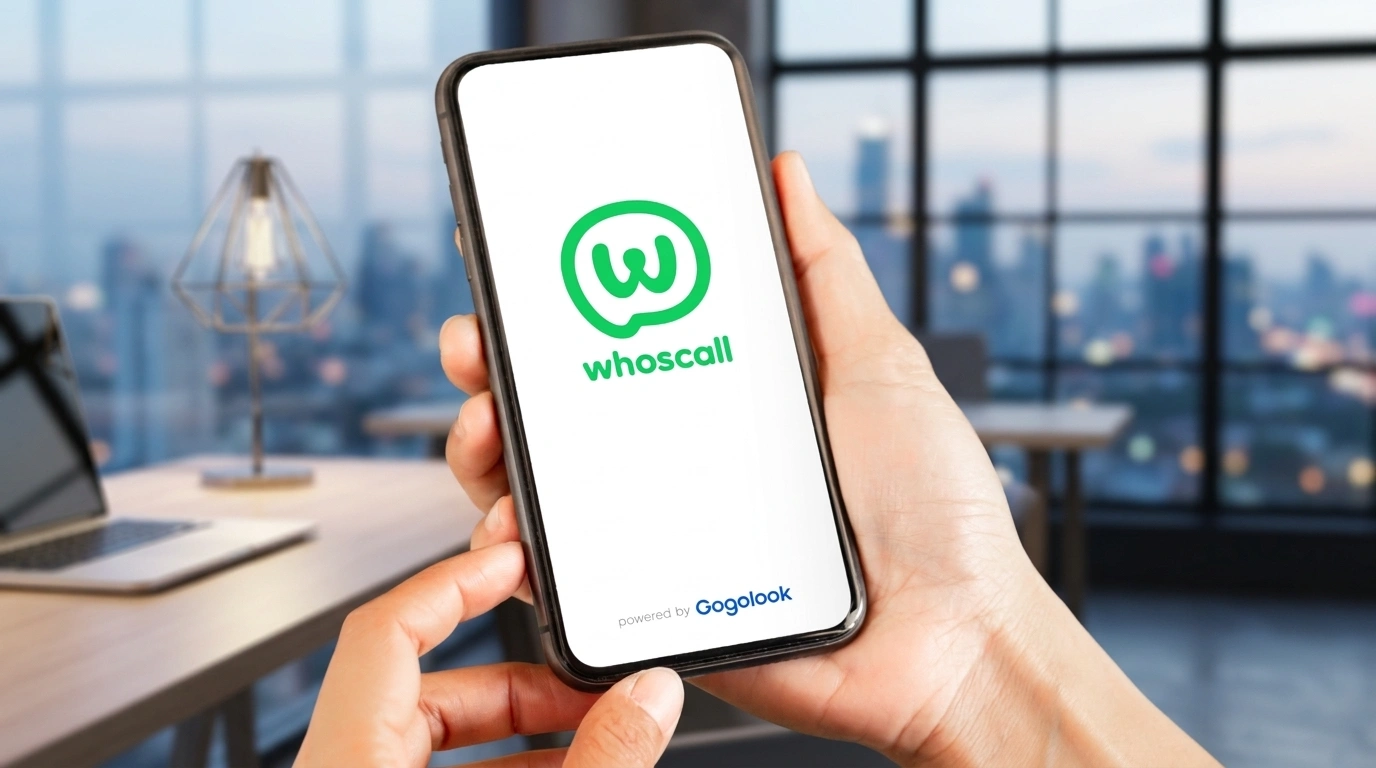
Both of these apps work reliably in the UAE without needing a VPN. Whoscall specialises in scam detection and business identification with a solid Middle East database. Sync.ME connects phone numbers to social media profiles. If the caller has a Facebook or LinkedIn account linked to that number, it may show their photo and name. Both are free to download and are excellent options if Truecaller does not find anything useful.
5. Your Telecom App or *248#
Etisalat users can dial *248# from their number. This may show the registered name of the caller if the number is within Etisalat’s network and is not privacy-restricted. The My e& app and du app both show spam alerts for numbers already reported by other users on the same network. You can also flag the numbers directly through these apps. If your details with your provider need updating, the Etisalat and du Emirates ID update guide explains how to do it.
6. Social Media Search
Type the number into the search bar on Facebook, LinkedIn, or Instagram. Many businesses and individual professionals in the UAE list their contact numbers publicly. This works particularly well for recruiters. Most UAE-based recruiters are active on LinkedIn and list their contact number publicly. It is free and takes two minutes, and sometimes gives you more context than any app.
Which Method Works Best for You?
| Method | Speed | Best For | Internet Needed |
| WhatsApp profile check | 30 seconds | Personal numbers, small businesses | Yes |
| Google search | 1 minute | Businesses, telemarketers | Yes |
| Truecaller | Instant | Spam detection, businesses | Yes |
| Whoscall or Sync.ME | Instant | Scam detection, social profiles | Yes |
| Telecom app or *248# | Instant | Etisalat network numbers | *248# works without data |
| Social media search | 2 to 3 minutes | Recruiters, professionals | Yes |
Common Phone Scams in UAE 2026: Know the Patterns
Knowing the playbook is more useful than checking every number. These are the scam calls UAE residents report most often in 2026.
| Scam Type | What They Say | What They Really Want |
| Fake bank or fraud department | Your account is compromised, share your OTP to secure it | OTP, card number, PIN |
| Dubai Police or Central Bank impersonation | Your Emirates ID is flagged, update your records now | Personal data, Emirates ID |
| Wangiri (one-ring scam) | Rings once and cuts off, waits for you to call back | Premium-rate call charges |
| Fake prize or lottery win | You won AED 50,000, pay a small processing fee first | Money transfer |
| Fake courier or customs | Your package is held, pay AED 200 to release it | Bank transfer or card details |
| KYC update scam | Your SIM or bank account needs urgent KYC verification | Banking credentials |
| Fake job offer | High-salary position available, pay AED 500 registration fee | Upfront money |
The golden rule: no legitimate bank, Dubai Police, government department, or courier company in the UAE will ever ask for your OTP, PIN, or Emirates ID details on an incoming call. If anyone asks for them, hang up immediately.
The wangiri scam deserves a special mention. A foreign number rings once and cuts off. Numbers like +212 (Morocco), +234 (Nigeria), and unfamiliar codes are commonly used. The hope is that curiosity makes you call back and you get connected to a premium-rate line charged by the minute. Do not call back. Block the number.
If you get a call claiming you have a traffic fine, visa issue, or police case, always verify it yourself on the official portal. You can easily check UAE visa fines online through official immigration channels or securely verify Dubai Police fines directly on their authorized platform. Never act on what an unknown caller tells you over the phone.
How to Block and Report a Suspicious Number in UAE
We have defined a few ways to report and block suspicious numbers in UAE. You just need to follow them step by step.
Block on Your Phone
- iPhone: Go to ‘Recent Calls’, tap the (i) icon next to the number, scroll down and tap ‘Block this Caller’.
- Android: Go to ‘Recent Calls’, tap and hold the number, select ‘Block’ or ‘Report Spam’.
Report the Number
| What to Report | How to Do It |
| Telemarketing violation | SMS: REPORT 05XXXXXXXX to 1012 |
| Spam via Etisalat | My e& App then Report Spam |
| Spam via du | du App then Report Number |
| General spam shortcode | Send the number to 7726 |
| Financial fraud, Dubai | Dubai Police eCrime: ecrime.ae |
| Financial fraud, Abu Dhabi | Abu Dhabi Police Aman: 8002626 |
If you want to stop telemarketing calls permanently, the UAE Ministry of Economy runs the Do Not Call Registry (DNCR) under Cabinet Resolution No. 56 of 2024. Register your number through your telecom provider or the TDRA portal. Licensed companies that call numbers on the registry face fines ranging from AED 5,000 to AED 150,000. It will not stop scammers but it will cut down on legitimate telemarketing calls significantly.
Already Answered a Suspicious Call? Do This Now
If you realise mid-call or after hanging up that something was wrong, act fast.
- Shared your OTP or card details: Call your bank immediately at the number printed on the back of your card. Ask them to freeze your card, stop any pending transactions, and reset your online banking access.
- Shared your Emirates ID: Report to Dubai Police eCrime and check your Emirates ID for any unauthorized fines or activity.
- Installed any app the caller asked for: Remove it immediately. Apps like AnyDesk or TeamViewer give callers remote access to your phone. Run a security scan after removing them.
- Transferred money: Call your bank to attempt a recall and file a police report at eCrime Dubai with all details. Note the number that called, the time, whatever was said, and the transaction reference.
Final Thoughts
The fastest way to check for any unknown UAE number is through WhatsApp profile. It takes 30 seconds and works without downloading anything. For automatic screening on every call, Truecaller or Whoscall will flag most known spammers before you even answer.
The prefix check and Kashif system together handle the most legitimate business calls. If a company is registered in the UAE, their name will appear on your screen. If it does not, and the call is pushing you to act urgently or share personal details, hang up.
For everything else, trust your instincts. Legitimate callers leave a message, send a follow-up on WhatsApp, or call back. Scammers create pressure. If a call feels wrong, end it and verify the claim yourself through official channels. Stay safe and keep your OTP’s to yourself.
FAQs
Can I find out who called me from a UAE number for free?
Yes, through WhatsApp profile check, Google search, Truecaller, Whoscall, or Sync.ME. No tool legally gives you the registered owner’s full name for a private individual. That data is protected under UAE telecom law. What you can find is whether the number belongs to a business, has been flagged as spam, or matches a known scam pattern.
What is Kashif and does it work on my phone?
Kashif is a TDRA-mandated system that automatically shows a registered company’s name on your screen when they call you. It is free, automatic, and works on both Etisalat and du networks inside UAE. No setup needed. If a company name appears for an unknown number, that is Kashif working. If no name appears, it is a personal number, unregistered line, or spoofed call.
Is Truecaller legal and safe to use in UAE?
Yes, Truecaller is legal in UAE. The caller ID and number lookup features work normally. The VoIP calling feature is restricted in UAE but that does not affect the identification tools at all.
How do I report a spam or scam call in UAE?
Send an SMS with REPORT followed by the 10-digit number to 1012 for telemarketing violations. Report via the My e& or du app, or text the number to 7726. For financial fraud, report to Dubai Police eCrime.
What is a wangiri scam?
Wangiri is a one-ring scam. A foreign number calls once and cuts off, hoping you will call back out of curiosity. If you do, you get connected to a premium-rate line that charges high per-minute rates. If you see a one-ring missed call from an unknown international code, do not call back. Block the number.
Can caller ID be faked in UAE?
Yes. Caller ID spoofing is real. Scammers can make a call appear to come from a UAE number even when calling internationally. A +971 number on your screen is not proof the call is legitimate. Always judge the call by what the person says and what they are asking for, not just the number displayed.
What if I already gave my OTP to an unknown caller?
Call your bank immediately on the official number on the back of your card. Ask them to freeze your account, block transactions, and reset your online banking. Then change all linked passwords and report the incident to Dubai Police eCrime at ecrime.ae with full details of the call.

Haris Khan is the lead content expert at TheEmiratesGuides.com, where he oversees the documentation of UAE visa processes, employment opportunities, and government services. With a commitment to factual integrity and real-time updates, he provides the technical expertise necessary to guide readers through the complexities of life and work in the UAE.